A remote translation team is a global network of specialized linguists, project managers, and QA experts who use advanced tools, cultural insight, and clear communication to deliver accurate, consistent, and market-ready translations across time zones.
What is a Remote Translation Team?
A remote translation team is a global network of linguists, project managers, and QA specialists who combine advanced tools, cultural expertise, and efficient communication to deliver accurate, market-ready translations.
Imagine waking up to a message from a translator in Argentina. Minutes later, an update from your project manager in Slovenia lands in your inbox. By the time you’ve had your first coffee, a file from a reviser in Berlin is ready in your shared folder.
This is the reality of working with a remote translation team: a network of professionals spread across time zones, united by technology and a shared commitment to delivering precise, culturally relevant translations.
Remote translation teams aren’t just scattered freelancers. They’re structured, coordinated units with translators, project managers, revisors, and quality specialists all aligned toward the same goal.
Most translators are native speakers with industry expertise, ensuring your text feels authentic and tailored to the target audience. Clear communication and professional project management make the team feel close at hand, even if you never share an office.
2. Do Time Zones Help or Hurt?
At first, time zone differences may seem like a challenge. In reality, they’re an advantage. Your project keeps moving while you sleep. Remote teams rely on tools like Slack, Teams, Zoom, SharePoint, and Google Drive for seamless communication and file sharing.
A skilled project manager ensures every member has the context and resources they need, no matter where they’re located.
3. What Tools Do Translation Teams Use?
Behind the translators is powerful translation technology. CAT tools, translation memories, and terminology databases keep content consistent, accurate, and aligned with your brand voice.
For businesses with recurring translation needs, these tools ensure efficiency and uniformity across campaigns, websites, and documentation.
4. Will Deadlines Be Met?
Yes. Professional remote translation teams work with clear workflows and buffer times to guarantee reliable delivery. Processes usually include translation, revision, and in-house QA to ensure nothing is rushed at the expense of quality.
5. What About Quality Assurance?
High-quality translation isn’t a one-step process. Expect three layers of quality:
Revision by a second linguist for tone, style, and flow
Quality Assurance checks for formatting, terminology, and consistency
This structured approach allows remote teams to match — and often surpass — the output of traditional in-office teams.
6. How Do Remote Teams Handle Culture?
Cultural adaptation is at the core. Remote teams ensure your content resonates with local audiences, adjusting idioms, slogans, and tone so it feels authentic in each target market.
Yes. Professional translation teams use secure file-sharing platforms, NDAs, and encryption to keep your content confidential. Client trust depends on both quality and data security.
8. Can a Remote Team Scale?
Remote teams are built for flexibility. Need extra capacity for a global product launch? A professional team can scale quickly without sacrificing consistency because they rely on linguists with specialized industry knowledge (legal, medical, technical, or marketing).
9. How Transparent Are the Costs?
Expect clear quotes before projects begin. Costs, scope, and timelines are outlined upfront. While price matters, it’s worth remembering: a high-quality, culturally adapted translation is an investment, one that protects your brand and avoids costly rework.
10. How Do Remote Teams Build Trust Over Time?
Trust is built through consistency. The longer a remote translation team works with you, the better they understand your brand voice, preferences, and industry nuances. Over time, they evolve from service providers into long-term partners.
Final Thoughts
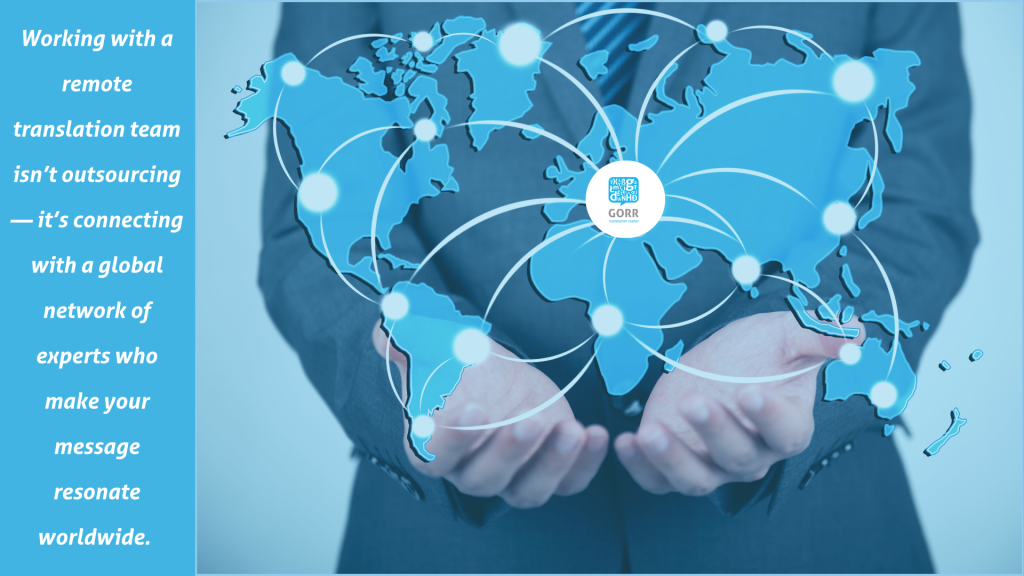
Working with a remote translation team isn’t outsourcing: it’s connecting with a global network of experts who make your message resonate worldwide.
With the right team, you gain more than translations. You gain: ✅ Local market insight ✅ Cultural sensitivity ✅ A seamless, scalable process that works across time zones
In a world where audiences are global and expectations are high, a professional remote translation team ensures your message arrives clear, consistent, and culturally spot-on — no matter where your customers are.
Translation Quality & Accuracy: What B2B Buyers Really Need (and Why It Still Requires Humans)
Translation quality isn’t just about accuracy—it combines consistency, cultural context, fluency, and human-led QA to ensure B2B content is reliable, professional, and market-ready across global audiences.